
Ishan Out, Sooryavanshi In: India’s T20I Gamble Against Kiwi Spin

Published 2026-10-27 · By Gaurav Bhatia (Syndicate & Match Preview Editor · Kolkata Desk)
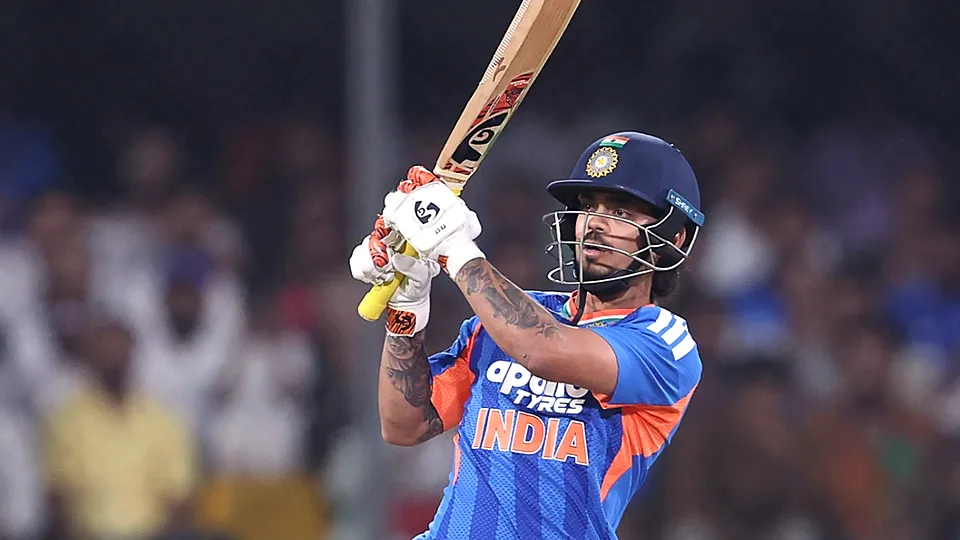
Ishan Kishan is not walking onto the ground tomorrow. That much is clear. The injury update has landed, and the ripple effect is immediate. New Zealand’s second T20I against India will see a new face at the top of the order, one who has spent years grinding in the Ranji circuit waiting for exactly this kind of chance. The selection is not surprising; it is the only logical move. Vaibhav Sooryavanshi enters the calculations, and for the batting coach Sitanshu Kotak, the math has already been done. It is about more than just filling a slot. It is about disrupting the rhythm that New Zealand’s bowlers plan around. When the opening batter changes, the entire middle-order dynamic shifts. Those skiddy hard lengths? They suddenly have a different target. The Impact Player rule is here to stay, but tonight, it is the starting XI that carries the weight. Kotak’s comments were blunt. No dressing room drama. No hesitation. The man who needs to go is the one who scores. Sooryavanshi is in. Ishan is out. The script is written, and the stage is set for a tactical chess match that will hinge on the first ten overs.
The Left-Handed Dilemma and Spin Mapping
Here is the thing that keeps scouts up at night. New Zealand loves to mix wrist-spin with pace. It is a classic Kiwi tactic. You get a leg-spinner like Mitchell Santner or left-arm orthodox from the other side, and the ball turns sharply off the toe. For a right-handed batter, that is a natural line. For a left-hander like Sooryavanshi, the geometry changes completely. The ball comes onto the pitch in a way that demands a slightly different wrist position. The boundary-percentage drops if you try to play the same shots as the right-handers. Kotak knows this. That is why he emphasized the “calculations.” It is not just about batting; it is about how the left-right pair functions against the spin bowlers. If you have two left-handers at the top, the spinners are forced to adjust their lines constantly. They cannot rely on the standard leg-break angle. They have to go wider. This creates gaps in the square leg field. A smart batter exploits that. A panicked batter gets out. The question is: does Sooryavanshi have the touch for that? He has the power. The power is less useful against good spin on a sticky red-soil track. What you need is the head start. What you need is the ability to defend the new ball and then accelerate in the 11th over. That is the metric that matters. Not the boundary count in the first five. The survival rate in the next five.
Why the Impact Player Gamble Matters
Let us talk about the Impact Player rule for a second, because it is where the strategy gets interesting. Many teams treat it as a wildcard. A fifth bowler. A pinch hitter. For India, against New Zealand, it is likely to be a tactical weapon. If the dew factor kicks in after 8:30 PM IST, the pitch will slow down further. The ball will grip the surface. Bowling into the pitch becomes the key to restriction. New Zealand will look to set up their spinners with pace in the powerplay. India’s Impact Player could be a left-arm spinner to contain the left-handers. Or it could be a quick-change pace bowler to disrupt the rhythm. The pre-toss dilemmas are real. Do you go with the aggressive lineup or the defensive one? The track in Kolkata is usually a true bounce surface, but the humidity changes everything. A slight tilt in the pitch can make the ball skid. For a batter expecting it to hold, that is a disaster. For a batter expecting it to skid, that is an advantage. Sooryavanshi has to read that surface in the first ten minutes. He does not have a lot of time. The T20 format is unforgiving. One dot ball too many, and the momentum dies. Kotak’s role is to ensure the communication between the fielder and the bowler is tight. No confusion. Clear roles. If the middle-overs choke happens again, it will not be because of the batters. It will be because the fielding placements were static against a moving ball.
Bottom Line: Trust the Process
There is a certain comfort in Sooryavanshi’s selection. He is not a star. He is not a household name in the same way as Kishan or Thakur. He is a grinder. He plays for the team. He does not care about the stats. That is exactly what you need when the top order collapses. You need someone who is not afraid to set the tone. You need someone who plays the single to ensure the partnership builds. The press conferences will focus on the absence of Kishan. The fans will wonder what it means for the white-ball format. The analysts will debate the merit. But on the field, it comes down to execution. Can Sooryavanshi handle the pressure of a high-stakes T20I? The pressure of knowing he is the replacement? Pressure is a luxury. It is only a problem if you let it take over the technique. The technique has to be simple. Play the straight ball. Hit the big ball. Leave the rest. The rest is handled by the spinners and the tail-enders. For now, the spotlight is on him. The ball is in the air. The field is set. And the first delivery of the match is about to land on the pad.
Related coverage
- Spin Winner 51 Bonus Apk: Why Bhuvi and the Impact Player Could Tilt Christchurch in India's Favor
- Spin Winner 51 Bonus Apk Hype Meets India's T20 Squad Selection For Zimbabwe Tour

Updated 2026-10-27 · Instant Rupee Deposits & 60s Withdrawals · 24/7 Support.
Access Official ZagaMusic Portal →Tech & Instant Payouts Desk · Hyderabad Desk
Tushar Thakur benchmarks mobile sports platforms, Android APK performance, and instant UPI payment rails from Hyderabad. He writes ZagaMusic's weekly verification column on spin winner 51 bonus apk.
Reader Discussion & Match Reactions (4)4.9★ Community (4 Comments)
Verified Indian cricket reader perspectives & tactical debate on zagamusic.mx
Fantasy-wise, Ishan Kishan's injury forces a straight swap to Vaibhav Sooryavanshi at the top, but that left-hand factor against Santner changes captaincy calls. I'm backing Sooryavanshi as a differential, though the Impact Player rule still makes the starting XI the safer bet.
New Zealand's wrist-spin plus pace plan means India must map Sooryavanshi's left-handed geometry carefully in the first ten overs. If Santner or the left-arm orthodox bowler turns it into the toe, Kotak needs a sweeper out early and a clear role for the opener.
Yaar, Ishan out is a big blow, but Sooryavanshi getting the top-order chance feels paisa vasool if he takes on Kiwi spin in the first ten overs. Bhai, Kotak's 'the one who scores stays' line is brutal, and I just hope the left-hander plays a proper knock instead of blocking.
@Shubham_Rao Your fantasy differential call makes sense, but I'm looking at Kotak's blunt 'man who needs to go is the one who scores' quote—that tells me India won't shuffle Sooryavanshi down after the first ten overs. If Santner bowls in the powerplay, the left-hander's geometry is the real matchup.